It happened around 11:30 PM last month. I was sitting at my desk, trying to book a flight to Mumbai for a cousin’s wedding. I went to checkout, copied my card details, and watched the payment page spin. When the final screen loaded, I realized I’d just paid full price, missed out on an instant discount, and my old “premium” rewards card gave me exactly zero points because the bank had quietly changed their terms and conditions two weeks prior.



Honestly, this surprised me because I usually stay on top of these things. But that is the absolute state of credit cards right now. Banks are changing the rules in their favor faster than you can keep up. Milestone rewards are disappearing, lounge access now requires you to spend a small fortune in the previous quarter, and cards that were amazing last year are basically plastic dead weight today.
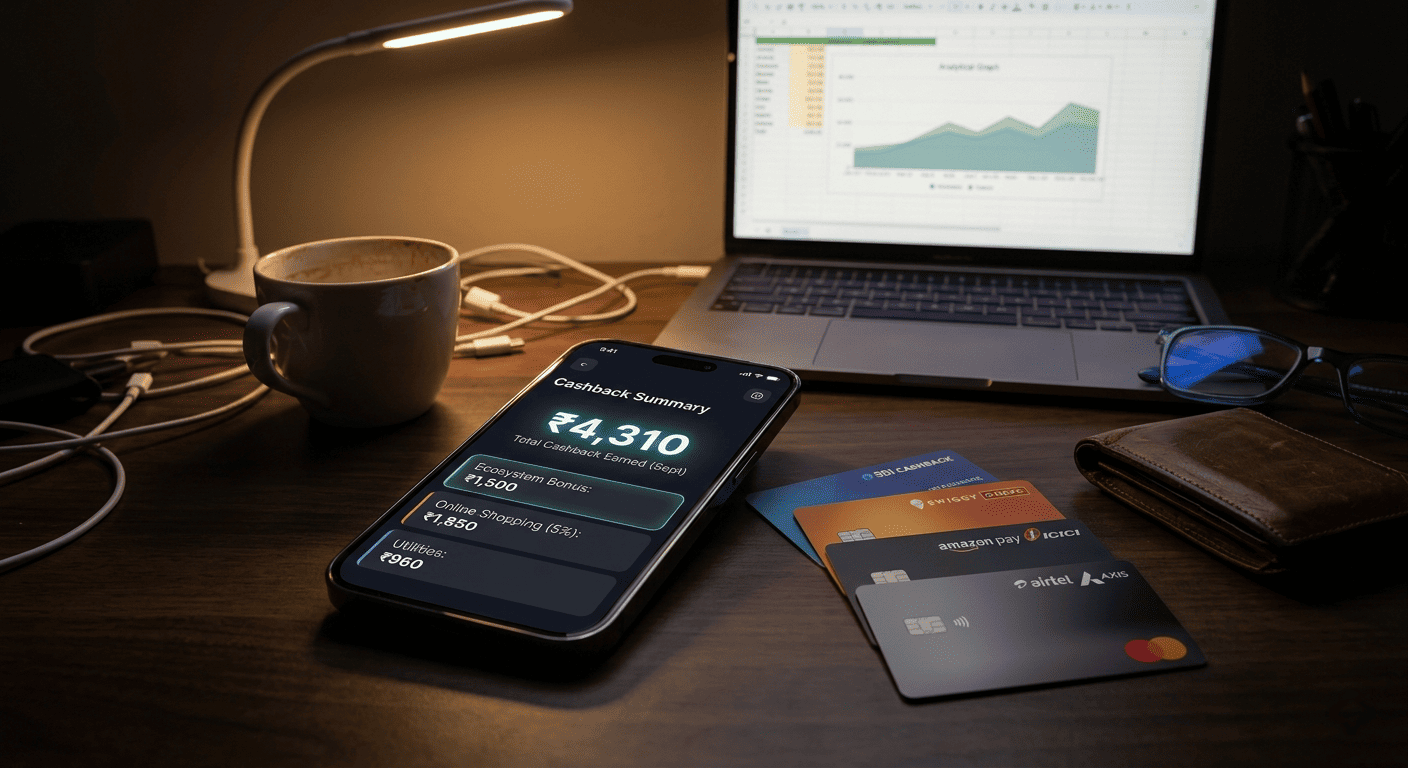
So, I spent the last few weeks digging through my own wallet, analyzing my actual statements, and looking at what is working right now. No theoretical math based on a perfect 10-lakh-a-year spending habit—just real, everyday usage. If you’re trying to figure out where to swipe your money to get the most back, here is how the landscape looks.
The Pure Cashback Warriors
At first I thought points were the way to go. You accumulate them, you dream of a free flight, and then you try to redeem them only to find out 1 point equals 20 paise or can only be used on a random catalog of branded luggage. That’s why I always tell people to start with a solid cashback card. Cash is predictable.
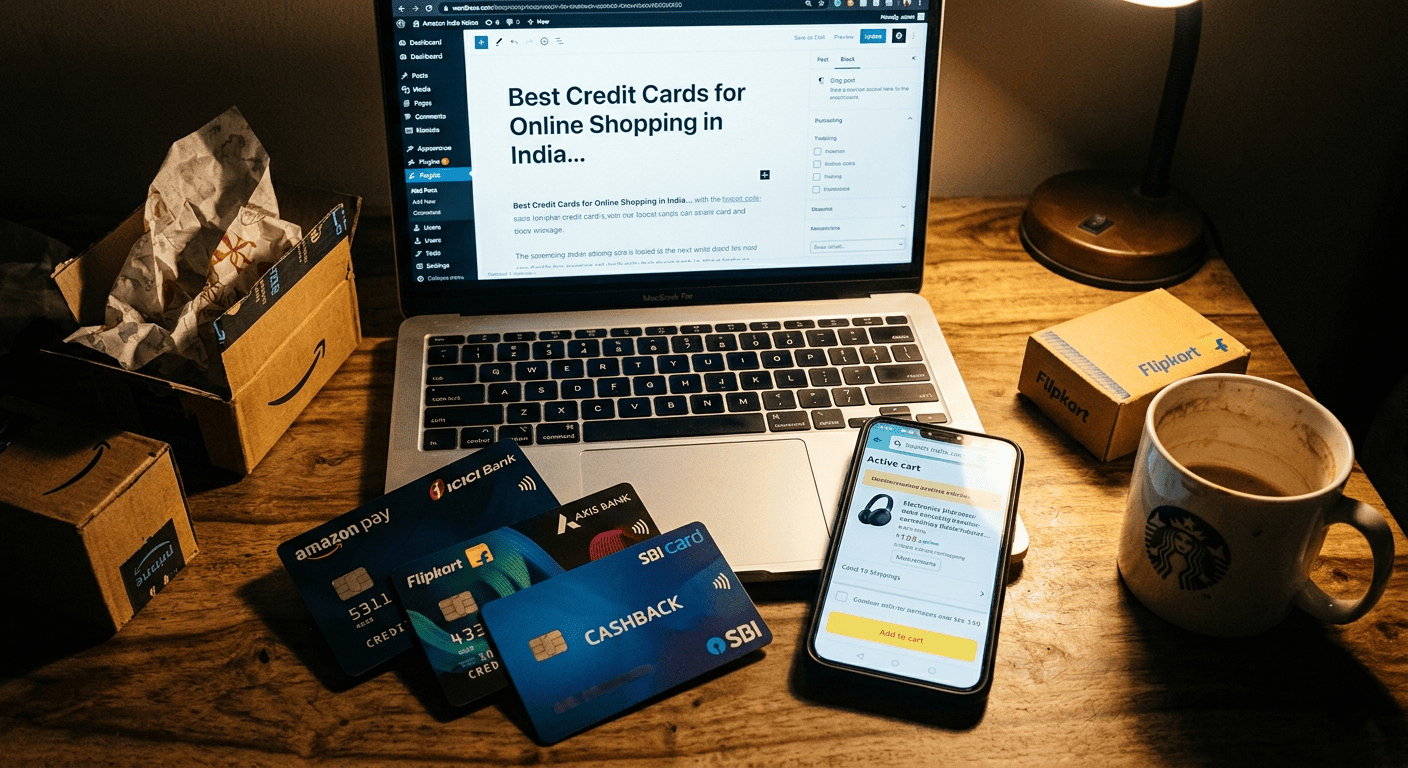
The reigning champ for a while has been the SBI Cashback card. It gives you a flat 5% back on almost any online spend. I used it to buy a new monitor from a random boutique tech site—not Amazon, not Flipkart—and the 5% still credited straight to my statement. But there is a massive catch that tripped me up: they capped the monthly cashback at ₹5,000. If you are planning a massive home renovation or buying a high-end laptop, you will hit that limit fast.
Then you have the co-branded cards. The Amazon Pay ICICI card is an absolute tank. It’s lifetime free, and if you have a Prime membership, that 5% unlimited cashback on Amazon purchases hits your account like clockwork. I use it for everything from my monthly grocery stock-up on Amazon Fresh to random electronics.
But what if your spending is split across food delivery and utilities? That is where the Axis Airtel or the Swiggy HDFC card comes in. I didn’t expect this, but the Swiggy HDFC card has become my daily driver for ordering dinner. It gives 10% back on Swiggy (including Instamart), which adds up ridiculously fast if you’re lazy with cooking like I am.
Let’s look at how these stack up when you look at the raw fees and limits.
| Credit Card | Best Usage Category | Cashback / Reward Rate | Joining / Annual Fee | Monthly Reward Limit / Caps |
| SBI Cashback | All Online Shopping | 5% on online retail, 1% offline | ₹999 + GST (Waived at ₹2L spend) | Capped at ₹5,000 per month |
| Amazon Pay ICICI | Amazon Ecosystem | 5% for Prime, 1% offline | ₹0 (Lifetime Free) | No Upper Limit |
| Swiggy HDFC | Food & Grocery Delivery | 10% on Swiggy, 5% online partners | ₹500 + GST (Waived at ₹2L spend) | ₹1,500 per month on Swiggy |
| Airtel Axis Bank | Utilities & Recharges | 25% on Airtel bills, 10% on Zomato/BigBasket | ₹500 + GST (Waived at ₹2L spend) | Capped per category (e.g., ₹250/month on bills) |
I see a lot of people making the mistake of picking the Airtel Axis card thinking they’ll get 25% back on massive bills. Read the small print. That 25% is capped at around ₹250 a month. It is great for a couple of phone recharges and a broadband bill, but don’t expect it to fund your next vacation. If you hate tracking limits, just grab the Amazon Pay ICICI and call it a day. It won’t give you the absolute highest returns everywhere, but it never charges you a fee and never caps your rewards.
Moving Up into Travel and Points Redemption
If you spend a bit more—say, above ₹3 to ₹4 lakhs a year—cashback starts losing its edge against travel points. This is where you can actually score those elusive free hotel stays, provided you play the game correctly.
The card that changed my perspective on this is the Axis Atlas. It operates on “Edge Miles.” Instead of getting random points, you get miles that transfer to airlines and hotels at a 1:2 ratio. Last year, I managed to transfer a block of points to Accor Hotels and stayed at a premium property in Goa for basically nothing.
However, you need to watch out for the tier system. The card rewards you based on how much you spent the previous year. If your spending drops, your reward rate drops with it.
If you can get your hands on it via an invite or by meeting the strict salary criteria, the HDFC Infinia remains the holy grail of Indian credit cards. It has a steep fee of ₹12,500, which made me hesitate initially. But when you look closely at the SmartBuy portal, you get 5X points on flights and hotels. That effectively works out to a 33% reward rate if you book your travel through their ecosystem.
Let’s break down the premium options because this is where the fees get serious, and you need to make sure you’re getting your money’s worth.
| Credit Card | Target Audience | Reward Rate Mechanism | Annual Fee | Standout Benefit |
| Axis Bank Atlas | Mid-to-High Travelers | 5 Edge Miles per ₹100 on travel, 2 Miles on others | ₹5,000 + GST | 1 Edge Mile = 2 Partner Points (Accor, ITC, etc.) |
| HDFC Infinia (Metal) | Ultra-High Net Worth | 5 points per ₹150 base, up to 10X via SmartBuy | ₹12,500 + GST | 1 Point = ₹1 on flights/hotels via SmartBuy; Unlimited lounge |
| HDFC Regalia Gold | Mid-Management / Frequent Flyers | 4 points per ₹150, 20 points on select brands | ₹2,500 + GST | Complimentary lounge access based on simple milestone spends |
Here is a learning moment from my own journey: do not buy a premium card just for the sake of status. I have a friend who got a high-fee card because it was made of metal and looked cool when laying it down on a restaurant table. He spends maybe ₹1.5 lakhs a year on it. He is literally losing money every year because he doesn’t spend enough to trigger the fee waiver or accumulate enough points to outweigh the annual charge. If you aren’t spending at least ₹4 to ₹5 lakhs annually, skip this tier entirely. The HDFC Regalia Gold is a much safer, practical middle ground for decent lounge access and milestone vouchers without destroying your budget.
The Lifetime Free (LTF) Hidden Gems
Let’s talk about the cards that don’t cost a paisa to keep in your drawer. A lot of people ignore these because they don’t have flash marketing campaigns, but they serve an incredibly specific purpose: bank sales.
During the festive seasons, Amazon and Flipkart always run 10% instant discount campaigns. If you only have an SBI card, you miss out on the HDFC days. If you only have an Axis card, you miss out on the ICICI days. That is why having a couple of zero-fee cards from different banks is a smart defensive strategy.
Aside from the Amazon Pay ICICI card we already discussed, the IDFC First Select or Wealth cards are excellent options. They offer lifetime free cards that actually give you complimentary domestic lounge access and movie ticket discounts without demanding a yearly fee. Another quiet savior is the HSBC Live+ card—though it occasionally has a fee, they run frequent promotional windows where you can get it as an LTF conversion if you hold a bank account or meet certain corporate criteria.
Let’s do a quick comparison of the best low-barrier options to keep your wallet diverse.
| Credit Card | Annual Fee | Core Strength | Lounge Access | Best Secondary Perk |
| Amazon Pay ICICI | ₹0 (Always LTF) | Amazon Shopping | None | No-cost EMI options on Amazon |
| IDFC FIRST Select | ₹0 (Always LTF) | Value-for-money perks | 4 per quarter (on spending ₹20k/mo) | Buy 1 Get 1 movie tickets via Paytm |
| HDFC Millennia | ₹1,000 (Often offered LTF) | Multi-platform online shopping | 1 per quarter (on spending ₹1L/qtr) | 5% cashback on Uber, Zomato, and Myntra |
The biggest mistake people make with lifetime free cards is assuming the perks stay active forever without reading the updates. For instance, IDFC and HDFC both implemented rules stating you have to spend a certain amount in the previous month or quarter to unlock your “free” lounge access for the next cycle. Gone are the days when you could just flash a card at the airport entry and walk in for a free meal. Now, you actually have to use the card for your regular monthly bills to keep those travel perks alive.
The Strategy That Actually Works
If you want my honest advice, do not try to collect ten different cards to optimize every single rupee. It becomes a logistical nightmare to track due dates, you risk missing a payment (which completely destroys any rewards you earned through high interest fees), and it makes your financial life messy.
Instead, build a simple two-card system:
- The Daily Driver: A solid cashback card like the SBI Cashback or Amazon Pay ICICI for your everyday online orders, utility bills, and grocery runs.
- The Travel/Perks Card: A mid-tier card from a different bank (like Axis Atlas or HDFC Regalia Gold) that you use specifically to book flights, hotels, or high-value purchases to accumulate points and keep your lounge access active.
This setup covers your bases for instant bank discounts, maximizes your return on daily expenses, and ensures you aren’t paying thousands in annual fees for benefits you forget to use. Check your statements from the last three months, see where your money actually goes, and pick the card that rewards your actual habits—not the lifestyle you wish you had.