It was around 11:30 PM a few months back. I was sitting on my couch, looking at my monthly credit card statement, and honestly, I felt like a complete idiot. I had just spent over ₹30,000 across Amazon, Swiggy, and some random weekend dinner spots, thinking I was gaming the system with my old reward-points card.



When I finally calculated what those “points” were actually worth in real money? Less than ₹250. And to make it worse, the bank wanted to charge me a ₹99 redemption fee just to convert those useless points into a generic online shopping voucher I didn’t even want.
That was the exact moment I realized reward points are mostly a scam designed to keep you trapped in the bank’s own ecosystem. Since then, I’ve gone completely cold turkey on reward points. I packed my wallet with nothing but pure, cold, hard cashback cards.
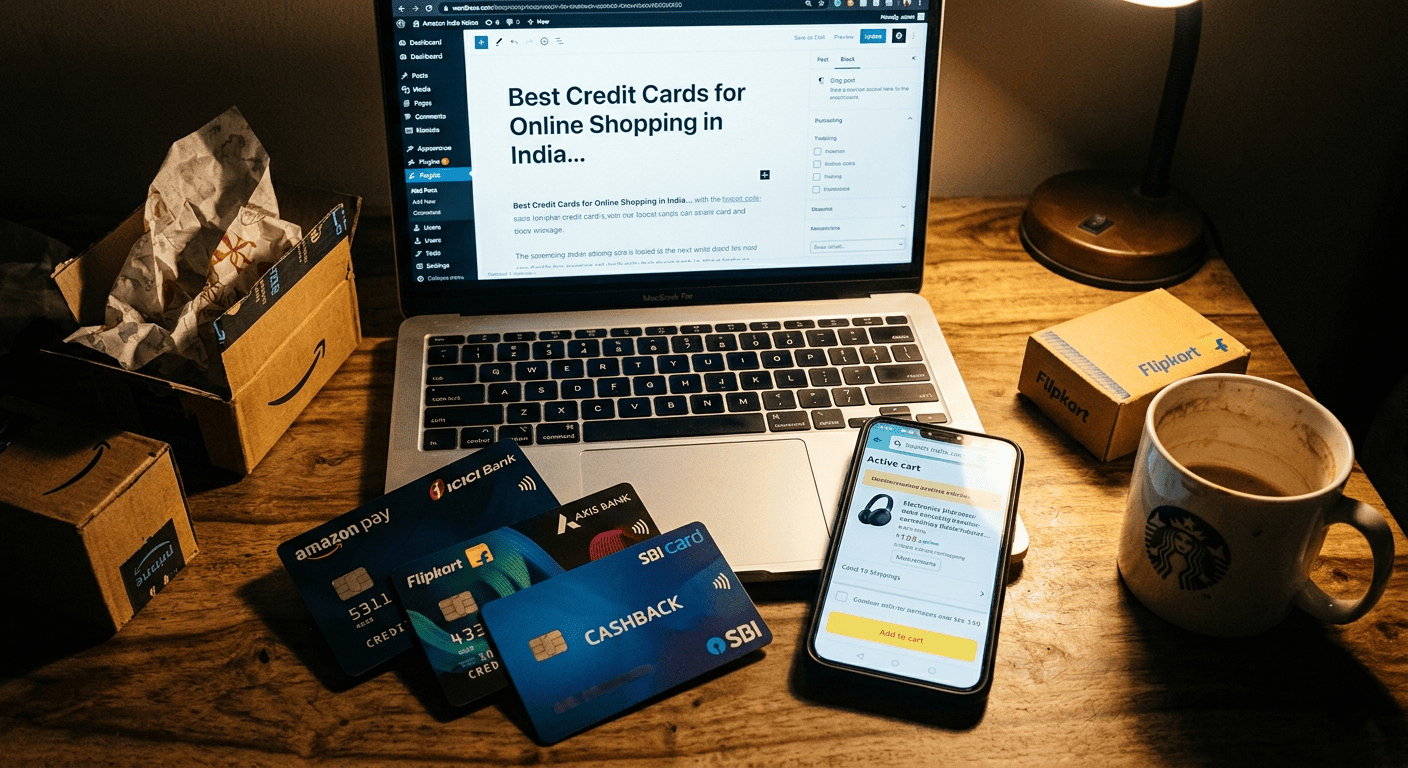
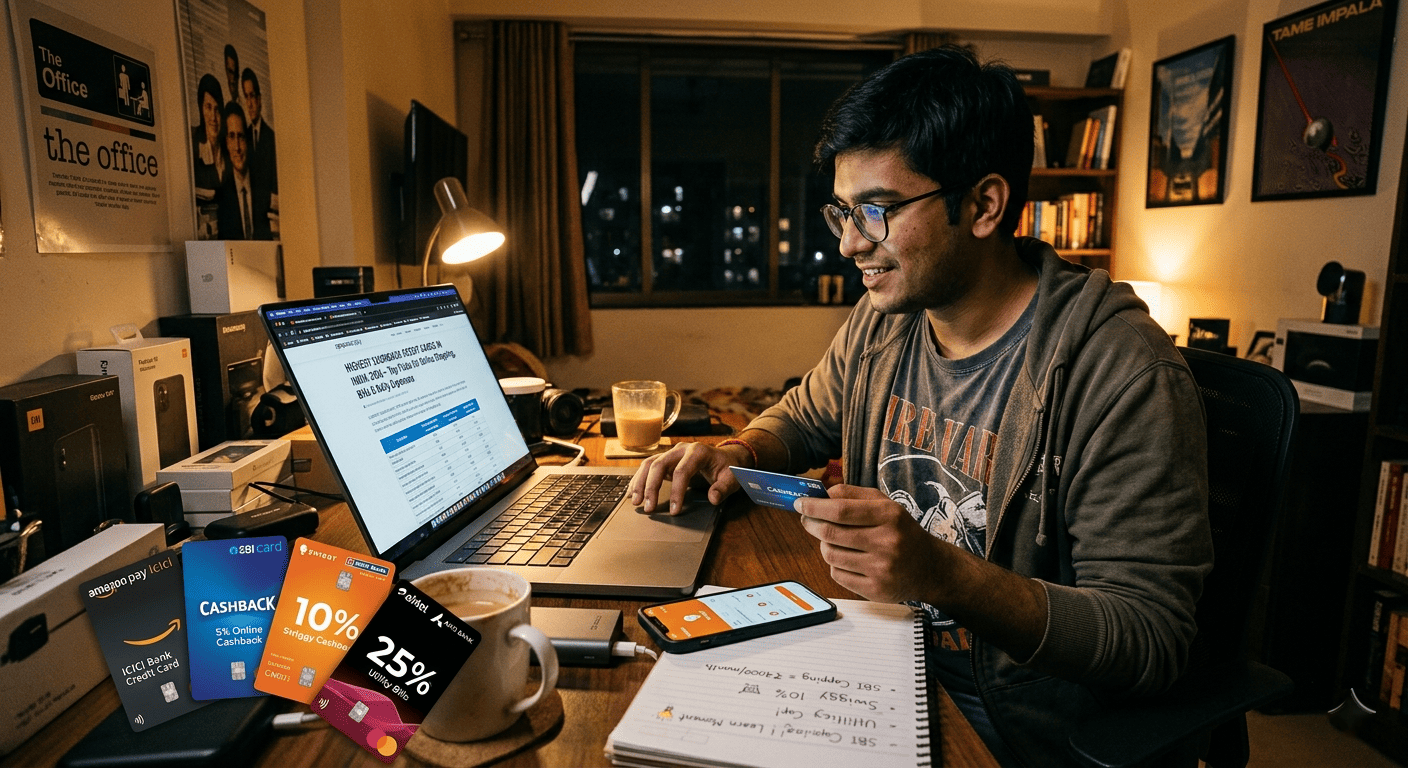
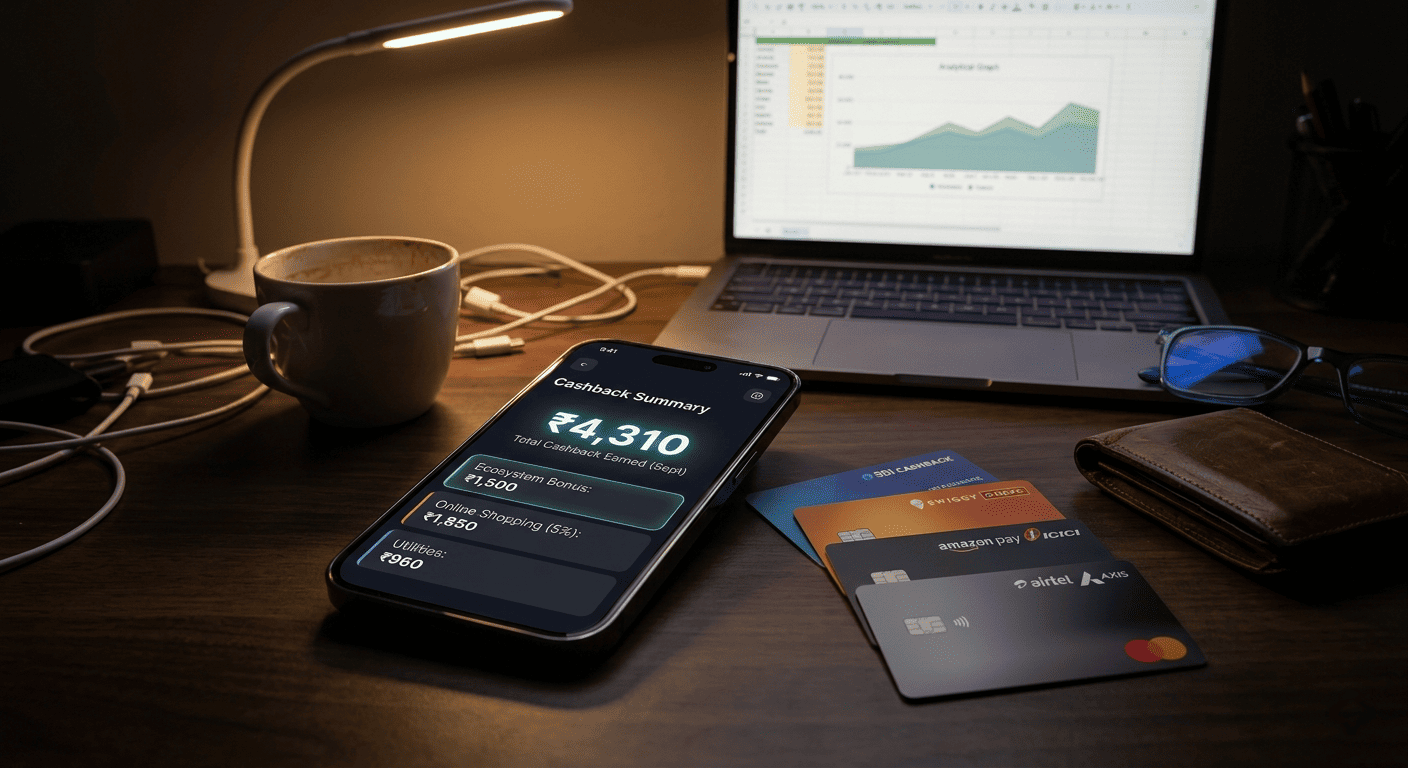
Over the last few months, I’ve been aggressively running my daily life through the top cashback cards in India. I wanted to see what actually works when you’re tap-to-paying at a local grocery store or buying stuff online late at night. The landscape has changed heavily, especially with some massive rule changes and devaluations hitting popular cards lately.
So, let’s talk about what’s actually worth your wallet space right now, based on real-world usage, annoying caps, and the mistakes I made along the way.
The Brutal Truth About the SBI Cashback Card
If you read any online forum, everyone hypes up the CASHBACK SBI Card like it’s the holy grail of credit cards. And look, on paper, it sounds insane: 5% unlimited—well, it used to feel unlimited—cashback on almost every online spend without any annoying merchant restrictions. You buy a mattress online? 5%. You book a random course? 5%.
At first, I thought this card was going to completely replace everything else in my wallet. But using it in real life comes with some serious reality checks, especially with the recent rules that just went live.
Banks love to change the rules when they realize they’re giving away too much money. SBI dropped a massive update that took effect in April: they slashed the monthly cashback cap. It used to be ₹5,000 per billing cycle. Now, they’ve capped it at ₹4,000 total per month.
But here is the real kicker that caught me off guard last month: they split that cap into two separate buckets. You can only earn a maximum of ₹2,000 from online spends (5%) and ₹2,000 from offline spends (1%).
+--------------------------------------------------------------+
|             SBI CASHBACK CARD MONTHLY CAP (REVISED)          |
+------------------------------+-------------------------------+
| Online Spends (5% Bucket)    | Max ₹2,000 Cashback per month |
+------------------------------+-------------------------------+
| Offline Spends (1% Bucket)   | Max ₹2,000 Cashback per month |
+------------------------------+-------------------------------+
| Combined Maximum Limit       | ₹4,000 Total per billing cycle|
+------------------------------+-------------------------------+
Do the math on that. Because the 5% online tier hits its limit at exactly ₹40,000 of monthly spending, anything you spend online after that ₹40,000 mark gets you absolutely zero cashback. I learned this the hard way when I bought a new laptop online for ₹65,000. I expected a nice ₹3,250 back in my account. Instead, my statement showed exactly ₹2,000 because I hit that invisible wall. It honestly surprised me how fast you can hit that limit if you have a high-expense month.
Another annoying thing? They’ve added a ton of exclusions. No cashback on utilities, insurance premium payments, school fees, rent, or digital gaming platforms anymore.
The Verdict: It’s still an incredible card if your online shopping stays under ₹40,000 a month. The best part is that the cashback automatically credits to your next statement as a direct balance reduction. No manual redemption, no fees. Just don’t make it your primary card for big-ticket purchases like electronics or jewelry.
The Swiggy HDFC Card: My Lazy Sunday Savior
I didn’t expect this card to be as good as it turned out to be. When HDFC launched the Swiggy card, I originally wrote it off as a gimmick. I thought, “Why would I get a card tied to a single food app?” But after a month of tracking my chaotic spending habits, I realized a sickening amount of my money goes to Swiggy Instamart for late-night snacks, groceries, and last-minute household items.
I gave in, got the card, and it has honestly been a massive win. You get a straight 10% cashback on anything inside the Swiggy app—food delivery, Instamart, and Dineout.
What really surprised me, though, was the secondary feature: you get 5% cashback on a massive list of other online platforms like Amazon, Flipkart, Myntra, and Nykaa. The monthly capping is also surprisingly generous—you can earn up to ₹1,500 per month on the Swiggy ecosystem, and another ₹1,500 per month on the other online shopping categories.
But here is the catch, and it’s something you need to be careful about: the cashback doesn’t come back as a statement credit. It gets credited as Swiggy Money inside your app.
If you are someone who uses Instamart or orders food even twice a week, this is practically as good as cash because it automatically offsets your next order. But if you’re trying to save money by cutting down on food delivery, this card will actively trap you into spending more just to use up your cashback balance.
Amazon Pay ICICI: The “Old Reliable” Lifetime Free Card
Look, I have a confession: I hate annual fees. I get a little anxious every time a card anniversary comes around and I have to check if I spent enough to waive the fee. That’s why the Amazon Pay ICICI card stays permanently in my wallet. It is completely lifetime free—no joining fee, no annual renewal fee, no hidden spend targets to hit.
If you have an Amazon Prime membership, it gives you a flat 5% cashback on Amazon shopping, uncapped. Let me repeat that because in 2026, it’s rare: there is no monthly cap. If you buy a massive ₹1.5 Lakh OLED TV on Amazon, you will get the full 5% back (₹7,500) straight into your account without hitting any walls.
+-----------------------------------------------------------------------+
|                    THE BIG THREE CASHBACK CARDS                       |
+-------------------+--------------------+------------------------------+
| Card Name         | Annual Fee         | Core Benefit                 |
+-------------------+--------------------+------------------------------+
| CASHBACK SBI Card | ₹999               | 5% on Online Spends          |
|                   | (Waived at ₹2L)    | (Capped at ₹2k/month)        |
+-------------------+--------------------+------------------------------+
| Swiggy HDFC Card  | ₹500               | 10% on Swiggy Ecosystem      |
|                   | (Waived at ₹2L)    | 5% on top online brands      |
+-------------------+--------------------+------------------------------+
| Amazon Pay ICICI  | ₹0                 | 5% on Amazon for Prime Users |
|                   | (Lifetime Free)    | (Completely Uncapped)        |
+-------------------+--------------------+------------------------------+
The major mistake people make with this card is using it everywhere else. It only gives 1% on non-Amazon purchases and offline transactions. If you’re using this card to pay for your weekend drinks or an offline apparel store, you’re leaving a lot of money on the table.
Also, like the Swiggy card, your earnings get sent directly to your Amazon Pay wallet. Again, for most of us, that’s fine because we buy everything from toilet paper to electronics on Amazon anyway, but it’s something to keep in mind if you prefer clean bank statements.
The Airtel Axis Card for the Ultimate Bill Payment Hack
Let’s look at the most boring part of adult life: utility bills. Electricity, Wi-Fi, mobile recharges, gas pipelines. Nobody wants to think about them, but they drain thousands from your account every single month.
I picked up the Airtel Axis Bank credit card specifically for this problem, and it has easily saved me more money on utilities than any other card. The numbers sound almost fake:
- 25% cashback on Airtel mobile, broadband, and DTH bills via the Airtel Thanks app.
- 10% cashback on utility bills (like electricity and gas) paid through the app.
- 10% cashback on Swiggy, Zomato, and BigBasket.
At first, I thought I had found a cheat code to get a 25% discount on my massive home broadband bill. But banks are smart, and this card is entirely built around strict, small-text monthly caps.
The 25% category is capped at just ₹250 per month. The 10% utility bill category is also capped at ₹250 per month.
What this means in reality is that if your monthly electricity bill is ₹6,000, you will only get 10% back on the first ₹2,500 (which is ₹250), and the remaining ₹3,500 earns a tragic 1% or nothing.
Even with those annoying caps, the card only costs ₹500 a year. If you maximize the utility and telecom caps every month, you’re looking at ₹500 in pure savings every single month, easily paying off the card’s annual cost within the very first month.
How to Actually Set Up Your Wallet Without Going Crazy
You don’t need seven different cards to play this game perfectly. In fact, managing too many payment cycles is a great way to accidentally miss a due date, face a massive interest penalty, and ruin your credit score completely.
Personally, I found that a simple, three-card combination works best for covering all your bases:
- The Core Online Driver: Use either the SBI Cashback Card or Swiggy HDFC Card for all your standard digital shopping, food delivery, and grocery runs. Pick the one that aligns with where your apps live.
- The High-Ticket Safety Net: Keep the Amazon Pay ICICI card around for any massive, expensive purchases on Amazon where other cards would hit their monthly cashback limits.
- The Household Helper: Use the Airtel Axis Card once a month strictly to clear out your recurring utility bills, electricity payments, and phone recharges, then leave it at home in a drawer.
When you stop playing the reward points game and switch to direct cashback, you stop hoarding worthless points that disappear or change value overnight. You just get a slightly cheaper life, paid out automatically every 30 days. Just remember to read the latest fine print when your statements arrive, because if there’s one thing I’ve learned, it’s that the banks are always looking for a way to claw back their money.